

Camera Lens Protector: A Guide to Selection, Advantages, and Application
1. The Role and Dual Nature of Camera Lens Protectors
Applying a protective film to a camera lens can indeed help prevent scratches, fingerprints, and dust to a certain extent. The impact of such products on final image quality has two sides – the key lies in whether the selection is appropriate. Choosing the right product can balance protection and image quality, while choosing the wrong one may affect imaging results.
2. Common Types of Camera Lens Protectors
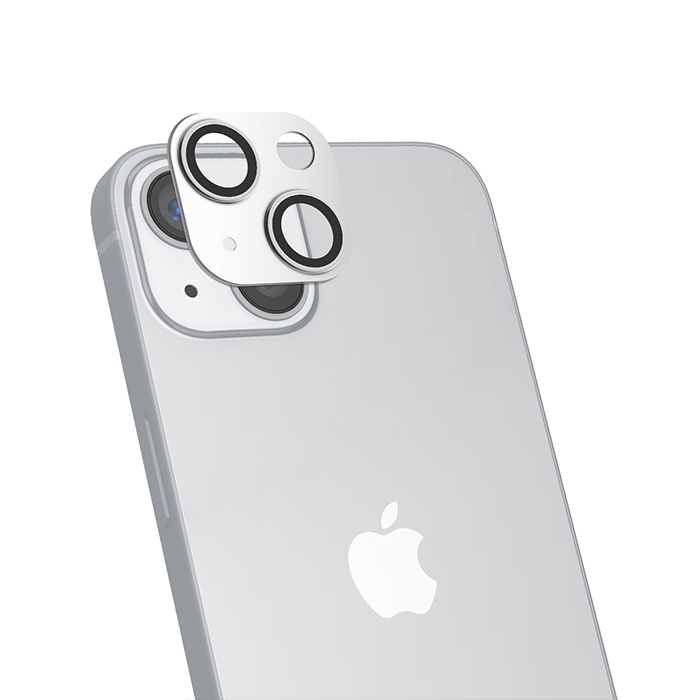
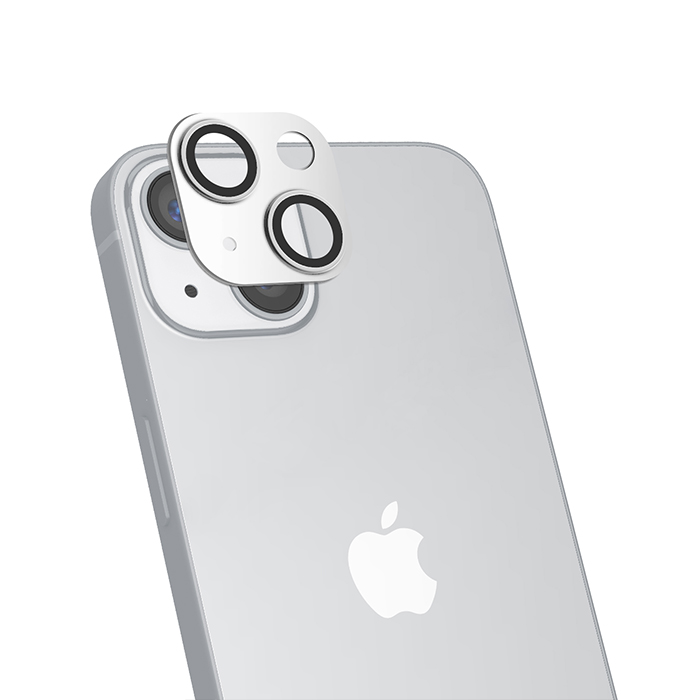
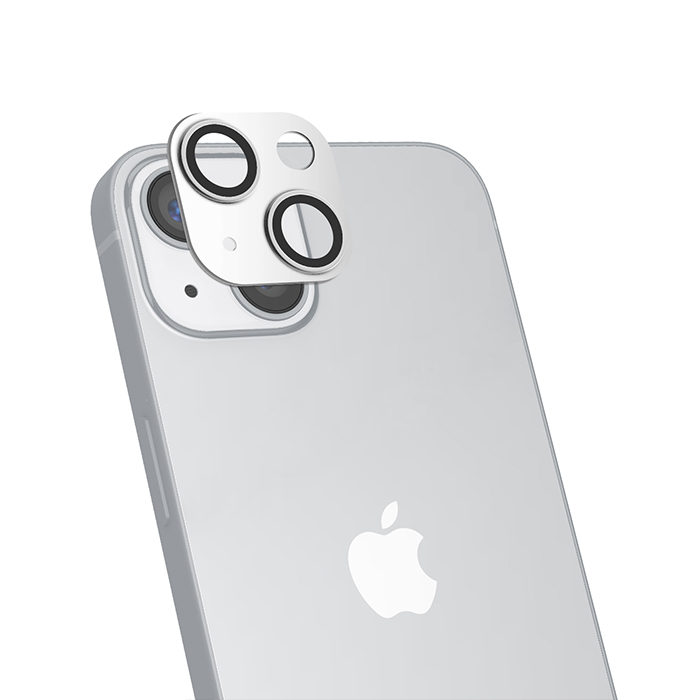
Tempered Glass Screen Protector: Made of high-quality glass material, it offers high hardness, strong impact resistance, and scratch resistance. However, it is relatively thick and may affect the lens's aesthetic harmony. It is more suitable for daily protection scenarios, especially for users who prioritize durability.
PET Plastic Film: Using eco-friendly PET as the base material, its core characteristics are thinness, good flexibility, high conformability making it less prone to lifting, and a relatively lower price. However, its durability and scratch resistance are not as good as tempered glass protectors, and it may need replacement more frequently during use. It is more suitable for temporary protection needs, or for lenses with curved or irregular structures.
AR Optical Film: This is a high-end type of protective film featuring multi-layer coating. It boasts high light transmittance and low reflectivity, better balancing image quality and anti-glare effects. However, it is typically the most expensive among the three types and is more suitable for professional photography scenarios, catering to users with high demands for image quality and anti-glare performance.
3. Key Points for Choosing a High-Quality Lens Protector
After understanding the basic characteristics of various protectors, the following details are more decisive in determining the quality of a protective film during actual purchase:
Identify Optical Parameters: If image quality is particularly important, focus on light transmittance and reflectivity. High-quality protectors have high light transmittance (e.g., some AR optical films claim up to 99.3%). In strong light environments, a film with low reflectivity can effectively reduce glare interference, helping you see the screen/content clearly. Cheap films tend to perform poorly in these aspects, potentially causing glare, haze, or reduced resolution in images.
Pay Attention to Surface Coating: An oleophobic coating is very important. It makes fingerprints and oil stains easier to clean, helps keep the lens clean, and reduces wear on the lens from frequent cleaning.
Ensure Accurate Fit: It is crucial that the protector fits the lens perfectly. It is recommended to choose products specifically customized for your device model to avoid incomplete protection or operational issues due to size discrepancies.
Beware of Low-Price Traps: Excessively cheap products might cut corners on the adhesive quality. Inferior adhesive might release sticky residues after application, contaminating the lens and potentially causing damage.
4. Benefits of Applying a Lens Protector
Applying a protective film to a camera lens offers three main benefits:
Effective Scratch Prevention: It can resist abrasion from everyday items like keys and sand, preventing scratches on the lens surface and protecting the lens's optical performance.
Prevents Fingerprints and Dust: Reduces the frequency of the lens collecting fingerprints and dust, lowering the risk of damaging the lens through improper cleaning.
Provides Psychological Security: For expensive camera lenses, applying a protector can reduce the psychological worry of bumps and wear during use, allowing for more peace of mind.
5. Steps for Applying a Camera Lens Protector
Correct application can avoid issues like bubbles and misalignment. The specific steps are as follows:
Precise Model Matching: When purchasing, ensure the protector perfectly matches your specific camera or lens model to avoid usage issues due to incorrect size.
Operate in a Clean Environment: Before application, choose a low-dust environment to prevent dust from adhering to the lens or film, which could cause bubbles after application.
Clean the Lens Surface: First, use a blower to remove loose dust from the lens surface. Then, gently wipe with a dedicated soft cloth and cleaning solution to ensure the lens surface is free of dust, fibers, or oil stains.
Align Patiently: Using the application tabs provided with the protector (if any), slowly adjust the position. Precisely align the film with the lens edges before gently making contact.
Remove Bubbles: If bubbles are found after application, use a soft cloth to gently press from the edge of the bubble towards the outside to expel the air. Avoid pressing hard to prevent damaging the lens or film.
-
 Privacy Glass Protector: Safeguarding Your Digital PrivacyNov,15,2023
 -
 Anti-blue Glass ProtectorMay,16,2024
 -
 Clear Glass Protector: Shielding Your Device with TransparencySep,14,2023
 -
 Anti-glare Glass ProtectorJun,06,2024
 -
Privacy Glass Protectors: Safeguarding Your Screen and Your PrivacySep,14,2023


 Links
Links

