

Antimicrobial Glass Screen Protectors: Technology and Selection Guide
Product Overview
The antibacterial glass screen protector not only provides basic screen protection but also features an antibacterial coating that effectively inhibits bacterial growth, making it ideal for hygiene-conscious users.
Selection and Usage Guidelines
Verify Antibacterial Certification
When purchasing, ensure the product clearly indicates compliance with recognized antibacterial test standards (such as JIS Z2801). This helps filter out products with exaggerated claims but unverified effectiveness.Consider Comprehensive Performance
In addition to antibacterial functionality, parameters such as light transmittance, edge fit (e.g., 2.5D curved edge design), and anti-fingerprint coating significantly impact visual clarity and daily user experience.Proper Installation and Maintenance
To ensure optimal antibacterial performance, apply the screen protector on a thoroughly clean and dust-free surface. If the protector shows cracks, breaks, or deep scratches, replace it promptly for safety and hygiene reasons. Some products include installation tools (e.g., Belkin's Easy Align tray) to simplify the application process.Industry Context
According to industry reports, the antibacterial screen protector market continues to grow, with expanding applications in medical, automotive, and packaging fields. This reflects both the reliability of the technology and strong market demand.
-
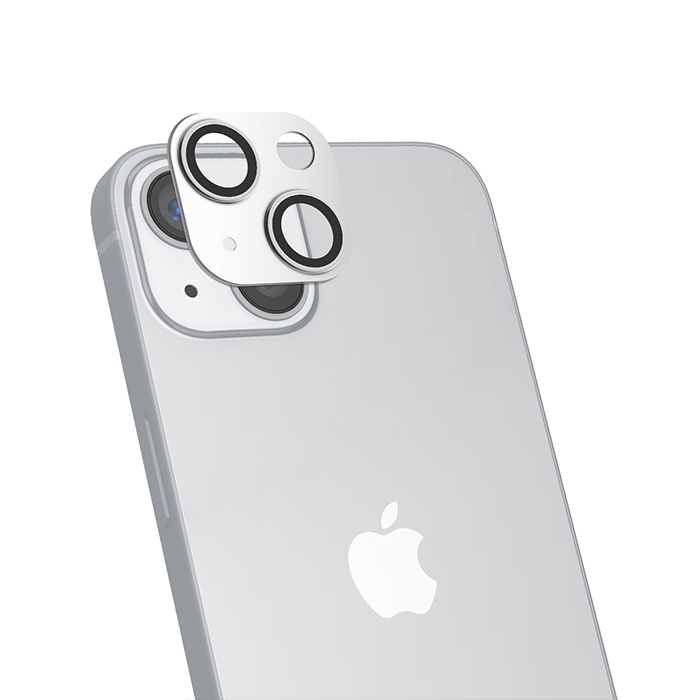 Privacy Glass Protector: Safeguarding Your Digital PrivacyNov,15,2023
 -
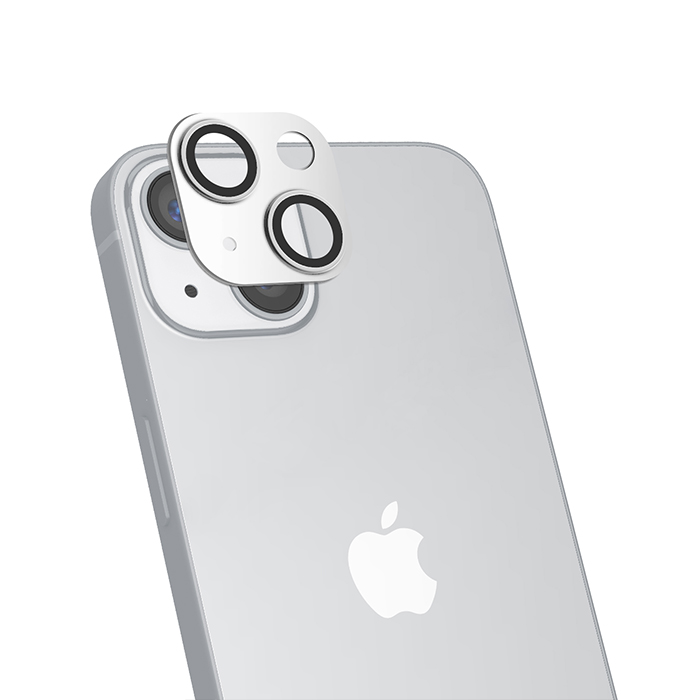 Anti-blue Glass ProtectorMay,16,2024
 -
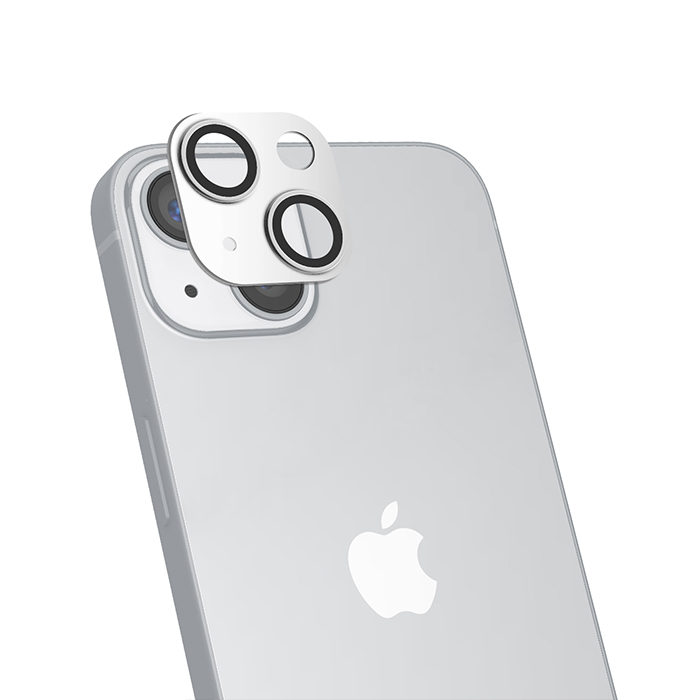 Clear Glass Protector: Shielding Your Device with TransparencySep,14,2023
 -
 Anti-glare Glass ProtectorJun,06,2024
 -
Privacy Glass Protectors: Safeguarding Your Screen and Your PrivacySep,14,2023


 Links
Links

