

Anti-blue Glass Protector, a Daily Blue-Light Shield
Anti-blue Glass Protector, a Daily Blue-Light Shield
Most of us spend long hours looking at phones, tablets and laptops, and the screen light we take in is more than just brightness. A growing number of users turn to a anti-blue glass protector to lower the share of high-energy blue light that reaches the eyes during daily screen time. In this guide we explain what a anti-blue glass protector does, how it differs from a normal tempered glass, and what to check before buying one for your device.
What an anti-blue glass protector actually does
A anti-blue glass protector is a tempered glass layer placed on the screen that is treated to absorb or reflect a portion of blue-violet light in the 400–450nm range. Unlike a plain clear film, it is engineered for eye comfort rather than only scratch defense. An eye comfort screen film like this is a small upgrade that pays off during long screen sessions, and with a anti-blue glass protector the screen still looks clear while the peak of short-wavelength light is softened so late-night reading feels gentler.
Blue light filtering versus a normal screen guard
A standard guard mainly blocks scratches, while a anti-blue glass protector adds an optical layer for light control. Some buyers confuse it with an anti-glare film; the two solve different problems. A blue light filtering screen guard keeps colors closer to natural, whereas an anti glare tempered glass with a matte coat trades clarity for less reflection. Knowing this helps you pick the right anti-blue glass protector for your habit.
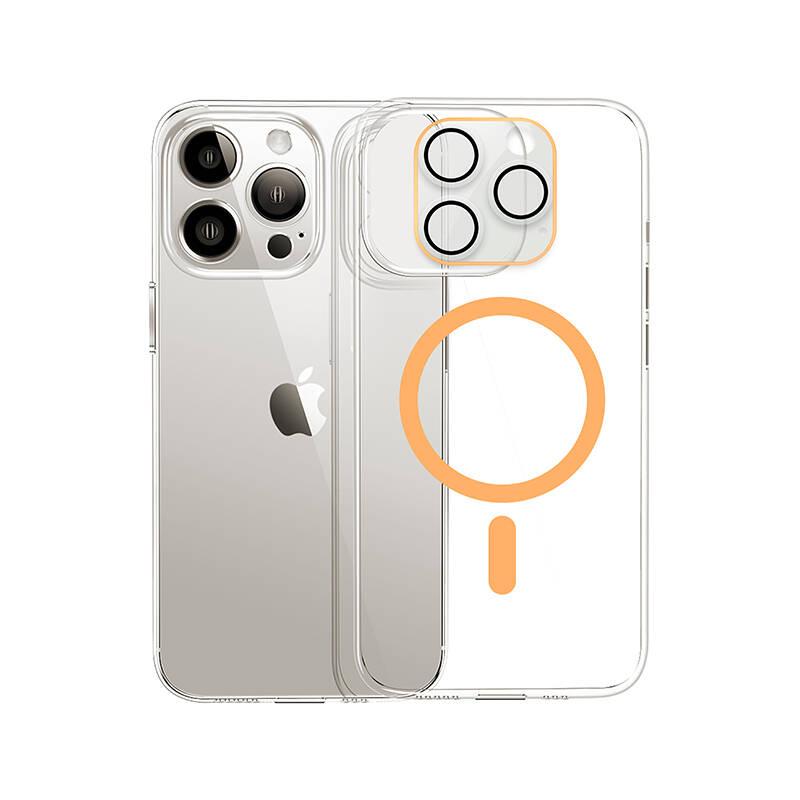
How to read the filtering rate honestly
When a shop lists a percentage, look at which wavelengths are covered. A trustworthy anti-blue glass protector states the blocked band and keeps color shift small. Be cautious of labels that sound absolute; a balanced low blue light phone film should keep the display usable outdoors, not turn it yellow. A good anti-blue glass protector is measured, not just marketed.
Choosing the right fit for your model
Start with a anti-blue glass protector cut for your exact model so the camera, speaker and sensors stay open. A precise anti-blue glass protector lines up with the earpiece and front camera, avoiding haze over the lens. For larger phones, choose a version that covers edge to edge without lifting at the corners.
Installation and daily care
Clean the screen with the included wipe, align the anti-blue glass protector from the top, and press outward to push out air. A well-fitted anti-blue glass protector leaves no gap for dust. Wipe it with a soft cloth when you clean the device, and replace it if the edge chips or deep scratches appear.
Pairing with a phone case
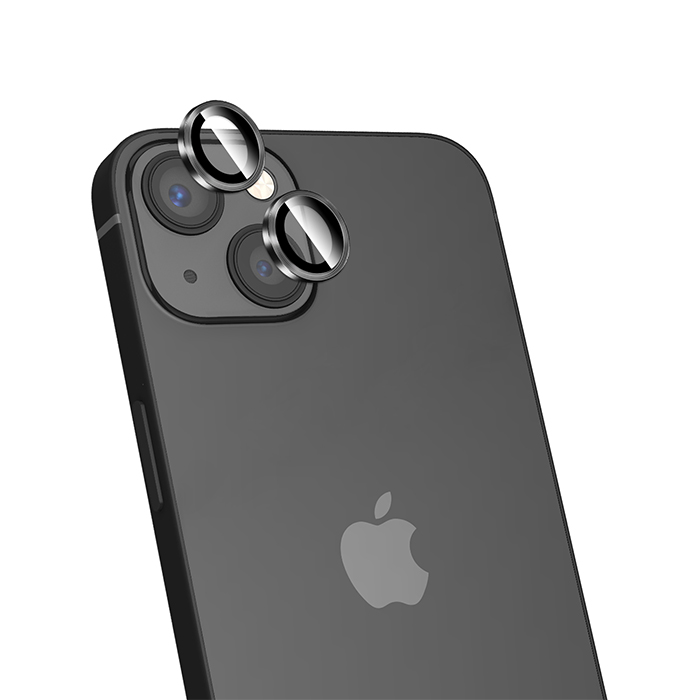
A slim anti-blue glass protector works with most cases on the market. Many users buy the glass with a matching case so the front and back of the phone look consistent. If your case has a raised lip, leave a small margin so the anti-blue glass protector does not catch on the frame.
FAQ
Does an anti-blue glass protector change how colors look?
A quality anti-blue glass protector keeps color shift modest. Cheap films may add a yellow tint, so check samples or reviews before buying.
Can I use it with a privacy screen together?
You can layer a privacy film and a anti-blue glass protector, but stacking two glasses adds thickness. Pick one priority if your case is tight.
How long does an anti-blue glass protector last?
With normal use a anti-blue glass protector can serve for several months before it needs a change, depending on scratches and drops.
Is blue light filtering useful for kids' tablets?
Many parents add a anti-blue glass protector to a child's tablet as one part of healthy screen habits, together with time limits and good room lighting.
-
 Privacy Glass Protector: Safeguarding Your Digital PrivacyNov,15,2023
 -
 Anti-blue Glass ProtectorMay,16,2024
 -
 Clear Glass Protector: Shielding Your Device with TransparencySep,14,2023
 -
 Anti-glare Glass ProtectorJun,06,2024
 -
Privacy Glass Protectors: Safeguarding Your Screen and Your PrivacySep,14,2023


 Links
Links

