

Tempered Glass Screen Protector, a Daily Scratch Guard
Most of us carry a phone everywhere, and the screen takes the brunt of daily life. A tempered glass screen protector is the practical layer that sits between a costly display and keys, coins or a careless drop. Below we walk through the terms buyers meet most often, without the marketing noise.
What 9H hardness actually means
When a tempered glass screen protector is labelled 9H, the figure comes from the pencil hardness scale, not mineral Mohs. A 9H rating means a hardened graphite tip does not leave a mark under set pressure. It tells you the surface resists keys and grit, yet it is not a promise against a heavy impact. Think of it as everyday scratch resistance rather than armor.
Oleophobic coating and anti-fingerprint behaviour
A good protector carries an oleophobic (oil-repelling) coating. This is what makes a swipe feel smooth and keeps smudges easy to wipe. Coatings wear with use, so a fresh anti fingerprint glass feels slick while an old one turns tacky. Regular, gentle cleaning helps the coating last longer.
Edge design: 2.5D versus full cover
Edges decide comfort. A 2.5D edge tapers gently and pairs well with most cases, while a full-cover tempered glass screen protector reaches closer to the bezel for curved screens. Neither is right for every phone, so match the cut to the model and the case you plan to use.
Pairing the film with a case
For balanced phone screen protection, many users run a scratch resistant phone film together with a frame case. The film takes surface scratches; the case absorbs corner shocks. This combo is a common, sensible setup rather than a guaranteed fix for every fall.
FAQ
Does a 9H screen protector stop cracks?
It reduces surface scratches and minor bumps. A hard drop can still crack the glass underneath; the film spreads some impact but is not a substitute for a rugged case.
How often should I replace it?
Swap it when chips, deep scratches or a worn coating affect touch feel. Light daily use often lasts several months.
Will it hurt touch sensitivity?
A thin, well-made protector keeps touch response close to bare glass. Thick or poorly cut films may feel duller.
Can I reuse a removed protector?
Usually not. Once the adhesive lifts and collects dust, reapplying leaves bubbles and weak hold.
-
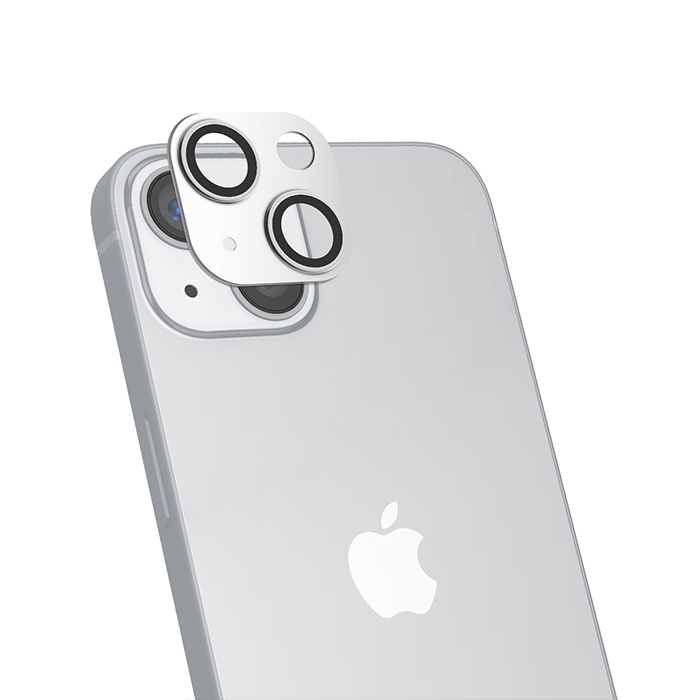 Privacy Glass Protector: Safeguarding Your Digital PrivacyNov,15,2023
 -
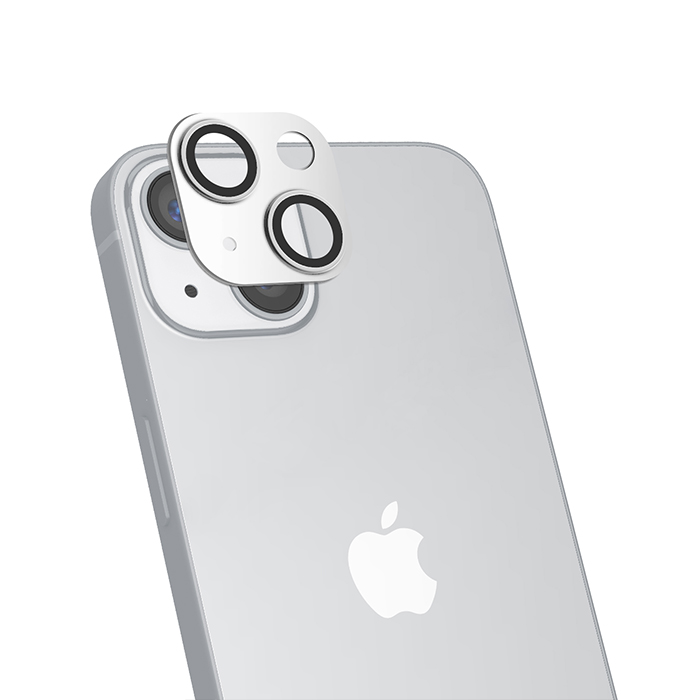 Anti-blue Glass ProtectorMay,16,2024
 -
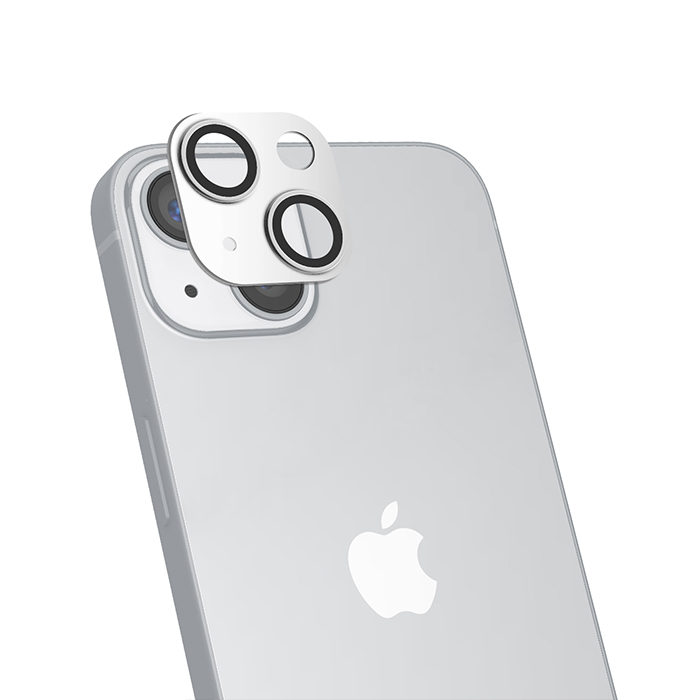 Clear Glass Protector: Shielding Your Device with TransparencySep,14,2023
 -
 Anti-glare Glass ProtectorJun,06,2024
 -
Privacy Glass Protectors: Safeguarding Your Screen and Your PrivacySep,14,2023


 Links
Links

