

A Comprehensive Analysis of Anti-Blue Light Glass Protective Films
The possible effects of high-energy short-wave blue light emitted by displays on ocular health have drawn more attention as electronic gadgets like smartphones, tablets, and monitors have become indispensable in today's world. The market for anti-blue light glass protective films has been growing in recent years as a consumer electronic accessory that addresses this problem. In addition to claiming to lessen blue light-induced eye irritation, it integrates the demands of screen protection and health protection by offering physical protection features like impact and scratch resistance.
I. Technical Fundamentals and Limitations of Efficacy
The primary purpose of anti-blue light glass protection films is to use specialized optical coating technology to prevent particular bands of blue light emitted by electronic devices. Absorption and reflection are the two basic ways it operates. The high-energy blue light band between 415 and 455 nanometers is often where the target wavelength is focused. One of the primary causes of eye strain and possible light damage is this portion of the light, which is thought to have significant penetration and may directly reach the retina. Technically speaking, some blue light can be reduced in transmittance by using high-quality anti-blue light coatings. According to industry test data, their capacity to reduce blue light is typically between 10% and 30%; high-quality goods can achieve up to 30%. The industry typically uses a short-wave blue light blocking rate of at than 20% as the fundamental reference index for having an anti-blue light function, as there is currently no unified mandatory national standard in this area. It should be made clear that any claim to block 99% of harmful blue light is primarily a marketing ploy because a too high blue light blocking rate will unavoidably cause significant screen color fading and detract from the visual experience. Anti-blue light films work to lessen rather than completely eradicate blue light, and their impact is strongly correlated with the screen's luminous intensity, brightness settings, and usage duration.
II. Product Chaos and Market Situation
The market for anti-blue light glass protection film is characterized by high demand but inconsistent quality. Products range in size and application from tablets and smartphones to TVs and monitors. There is a notable phenomena of variable quality in the market because of the comparatively low entrance criterion and inadequate regulatory standards. Some items' actual effects are drastically at odds with their marketing. According to a market survey, certain anti-blue light films have a blue light blocking rate of even less than 20%, and their protective impact is comparable to that of regular home plastic wrap. Due to low-cost competition, some manufacturers have been forced to adopt subpar coatings or cost-cutting measures, which not only have a minor anti-blue light effect but may also result in poor light transmission, screen discolouration, and diminished clarity, all of which increase the visual load. Numerous products will include different functional promotions like antibacterial, anti-ultraviolet, and anti-peeping. When making purchases, consumers must carefully determine whether their essential protective capabilities are legitimate.
III. Common Testing and Certification Procedures
The secret to controlling the industry's growth is to establish a consistent, scientific evaluation system. Regarding the optical performance of anti-blue light films, such as blue light blocking rate and light transmittance, there are now several suggested standards and testing techniques accessible for reference. A spectrometer is typically used in professional testing to determine the blocking rate in the 400–450 nm blue light band. Certain organizations mandate that the blocking rate of effective items be at least 30%. Adhesive tape testing standards like GB/T 2792-2014 can be used to assess the physical characteristics of items, such as 180-degree peel strength, hardness, and impact resistance, to make sure they are securely fastened and won't come off over time. There are a few easy ways for customers to determine a product's genuineness. A genuine anti-blue light film, for instance, typically has a pale yellow tone against a white screen background; when exposed to a particular purple light bulb, the film's surface will display blue light, signifying that it has a unique coating that can both absorb and transform blue light. Another crucial foundation for evaluating the product's quality is determining whether it has passed certification by reputable third-party organizations.
IV. Scientific Eye Protection and Reasonable Thought
It is important to note that anti-blue light glass protective films are not a cure-all for preserving vision; rather, they are merely an additional protective measure with limited efficacy. Developing scientific eye-using habits is the key to preventing eye strain and eye injury, according to ophthalmologists. Controlling usage time, avoiding prolonged screen staring, and adhering to the 20-20-20 principle—that is, looking at a distance of at least 20 feet for at least 20 seconds every 20 minutes while using electronic devices—as well as modifying device settings, appropriately lowering screen brightness, and making good use of the device's built-in eye protection or night mode are all examples of this. By modifying the color temperature, these functions lower the output of short-wave blue light, which may be more effective than some low-quality anti-blue light films; maintaining ambient light, avoiding the use of high-brightness electronic screens in dimly lit areas; comprehensive health management, getting enough sleep, consuming more foods that are good for the eyes, like lutein and vitamin A, and performing routine eye exams.
V. Industry Prospects and Customer Suggestions
The anti-blue light glass protective film industry will likely grow in a standardized and professional manner in the future as customers' health awareness increases and monitoring gradually improves. Products that have core technologies, obtain credible certifications, and offer actual test results will gain the trust of consumers. When making a purchase, consumers should: carefully consider promotions, be wary of overstated claims, and comprehend the auxiliary positioning of anti-blue light films; pay attention to core parameters, prioritize products that clearly mark key indicators like blue light blocking rate and light transmittance; choose reputable channels and brands, buy from regular channels, and take into consideration brands that are willing to provide third-party test reports or have well-known certifications; combine with other eye protection measures, combine the use of anti-blue light films with modifying device settings and forming a comprehensive plan to protect their eyes. Anti-blue light glass protection films have some practical use as a product under specific market demand, but their effects shouldn't be exaggerated. The main strategies to address the issues of visual health in the digital age are to support the development of industry standards, bolster consumer education, and promote the idea of scientific eye protection.
-
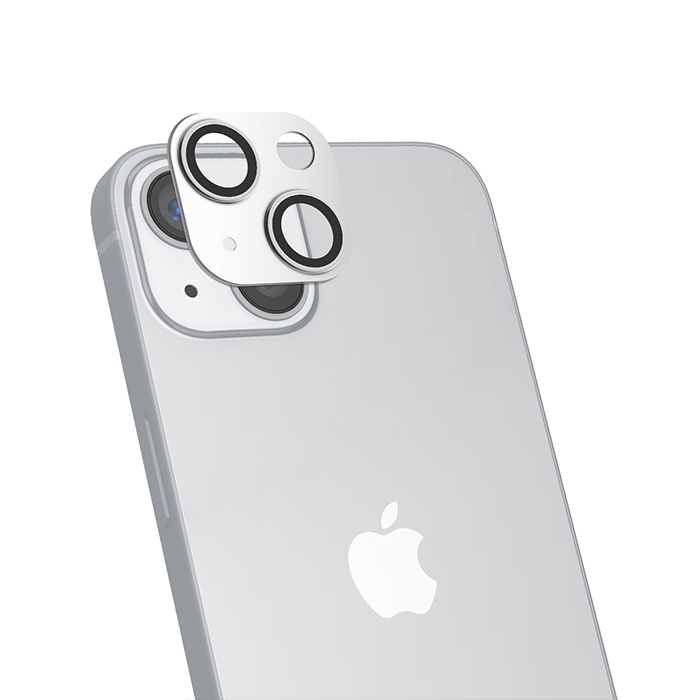 Privacy Glass Protector: Safeguarding Your Digital PrivacyNov,15,2023
 -
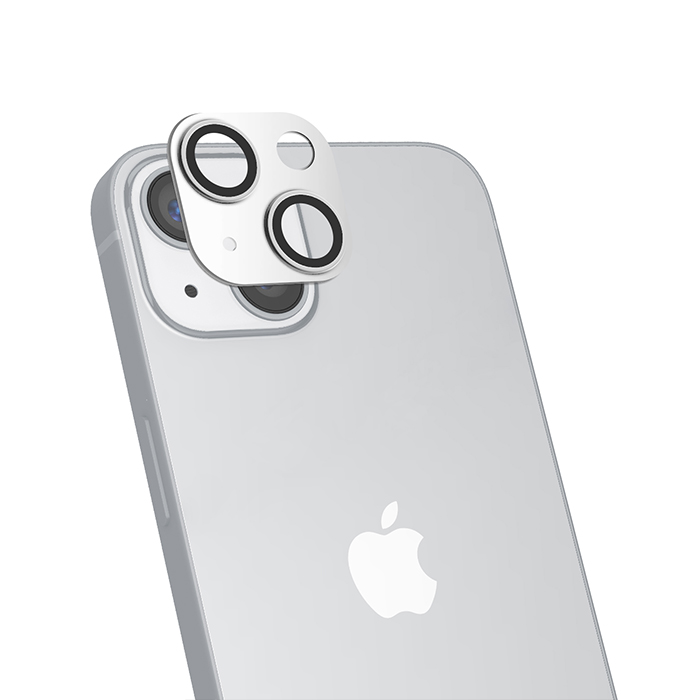 Anti-blue Glass ProtectorMay,16,2024
 -
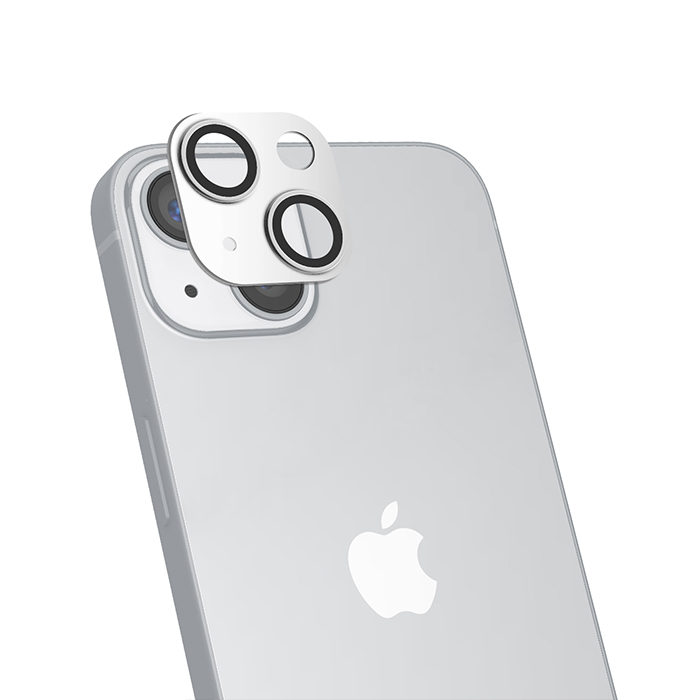 Clear Glass Protector: Shielding Your Device with TransparencySep,14,2023
 -
 Anti-glare Glass ProtectorJun,06,2024
 -
Privacy Glass Protectors: Safeguarding Your Screen and Your PrivacySep,14,2023


 Links
Links

